From subsurface data to smarter decisions.
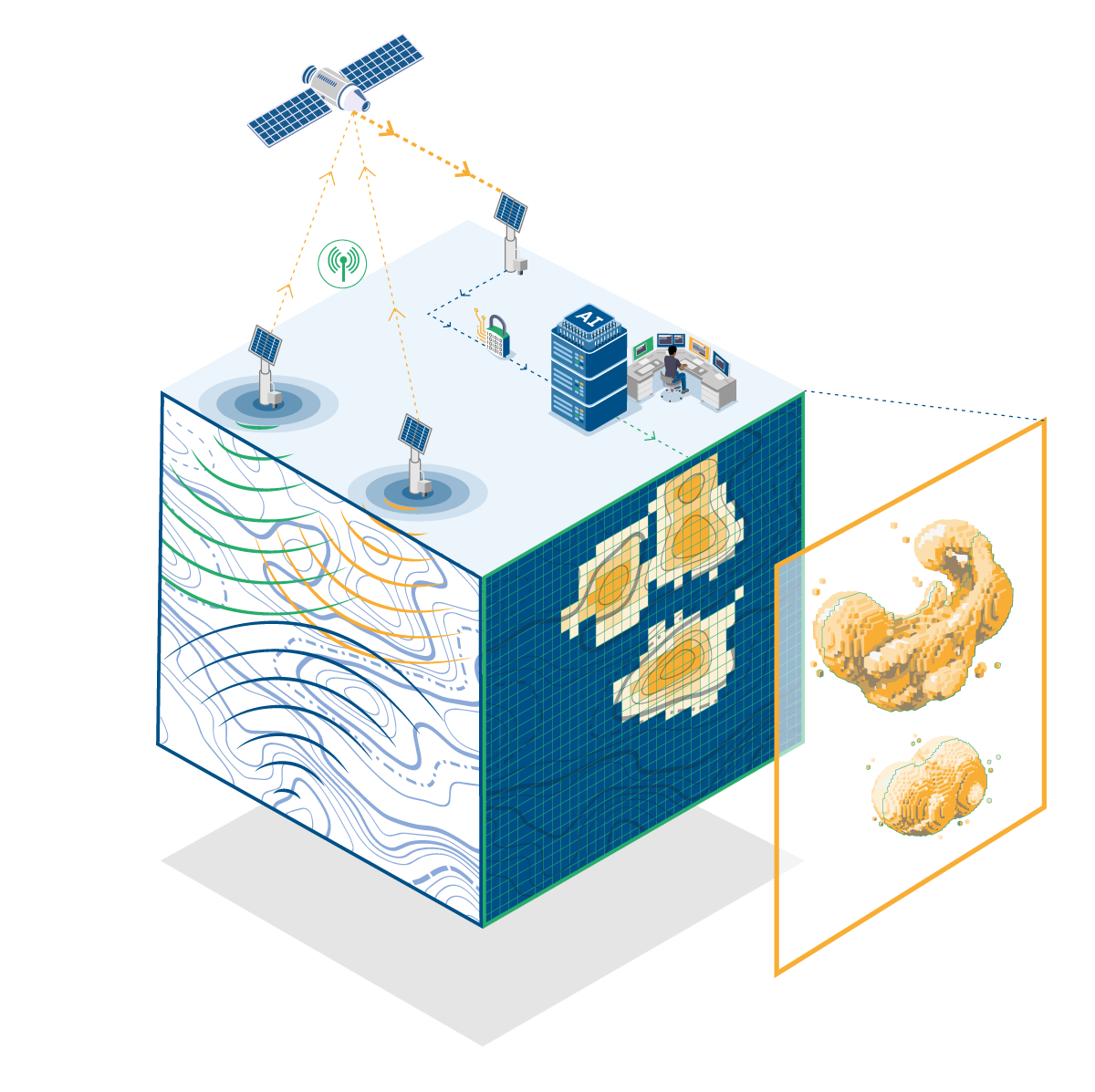
FlowTerra is Geolinks’ integrated subsurface monitoring solution. It combines continuous passive seismic acquisition, advanced geophysical processing, dynamic 3D/4D modelling, visualization and AI-powered interpretation to reveal how fluids and subsurface conditions evolve over time.
The objective is simple: give operational and engineering teams the qualified information they need to detect significant change earlier, investigate with confidence and make better decisions, right when they matter.
See sooner. Act smarter.
|
The challenge
|
Traditional monitoring is essential — but it can leave blind spots.
Many subsurface monitoring systems rely on point measurements, periodic campaigns or surface observations. These approaches provide valuable information, but change can develop between sensor locations, between measurement intervals or deeper within the monitored volume.
FlowTerra is designed to complement existing instrumentation by adding continuous, volumetric information. This creates a broader and more dynamic picture of the subsurface, helping teams connect isolated measurements with changes happening across the site.
|
How FlowTerra works
|
A complete workflow for subsurface intelligence.
From passive seismic signals to fluid-dynamics insight.
The key differentiator is the combination of continuous ambient-noise monitoring, advanced processing, dynamic modelling and AI-powered interpretation. FlowTerra moves beyond raw seismic measurements to reveal how fluids move and evolve in the subsurface over space and time.
1. SENSE
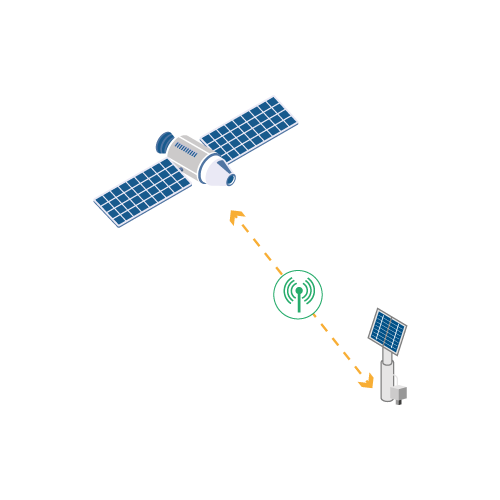
2. PROCESS & MODEL
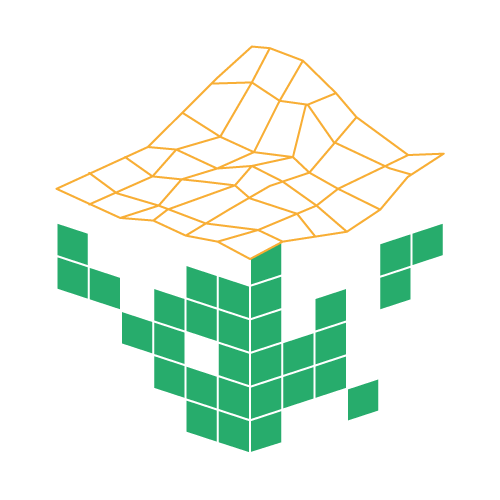
3. VISUALIZE & QUALIFY
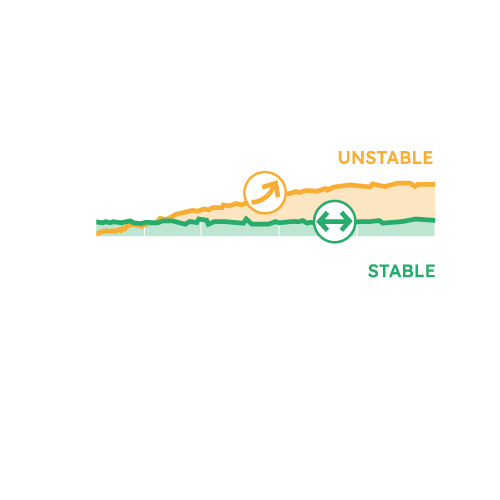
4. INTERPRET & ACT

|
Delivery model
|
From site challenge to operational action.
FlowTerra provides an integrated monitoring workflow from site configuration to decision support. The solution acquires and processes data continuously, builds dynamic subsurface models, visualizes monitored changes and uses AI-powered interpretation to translate them into relevant indicators for client workflows.

1. UNDERSTAND

2. DEPLOY

3. RUN & INTERPRET

4. ACT
|
Business outcomes
|
Data you can trust. Decisions that create value.
FlowTerra provides an integrated monitoring workflow from site configuration to decision support. The solution acquires and processes data continuously, builds dynamic subsurface models, visualizes monitored changes and uses AI-powered interpretation to translate them into relevant indicators for client workflows.

REDUCE RISK

OPTIMIZE OPERATIONS

SUPPORT COMPLIANCE

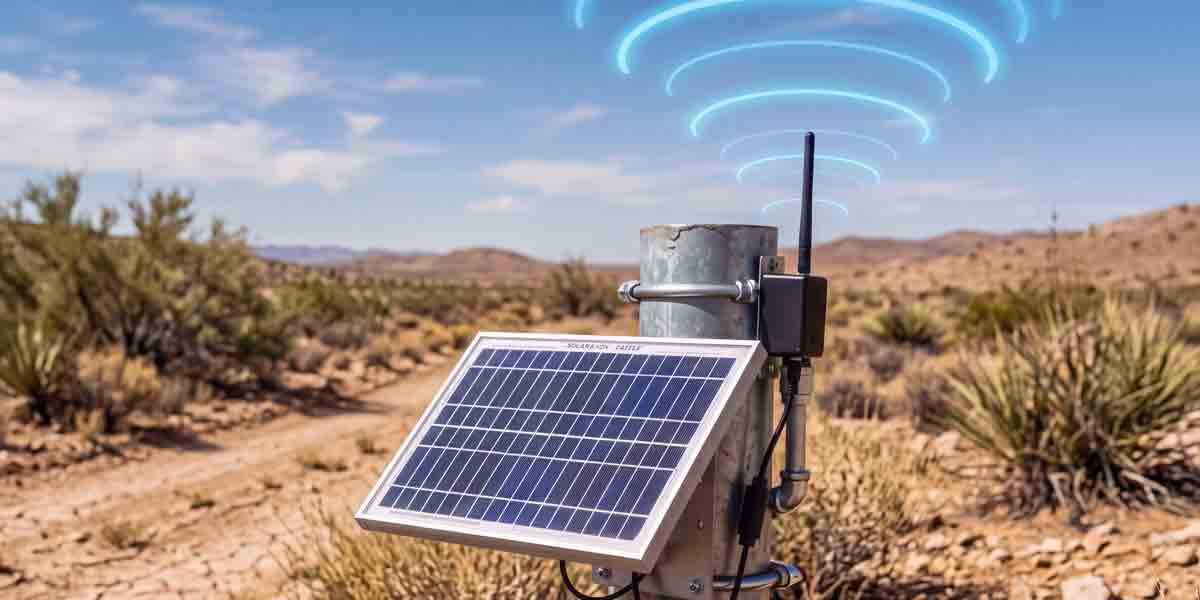
MONITOR CONTINUOUSLY
|
Technically Different
|
Passive seismic monitoring, designed for continuous use.
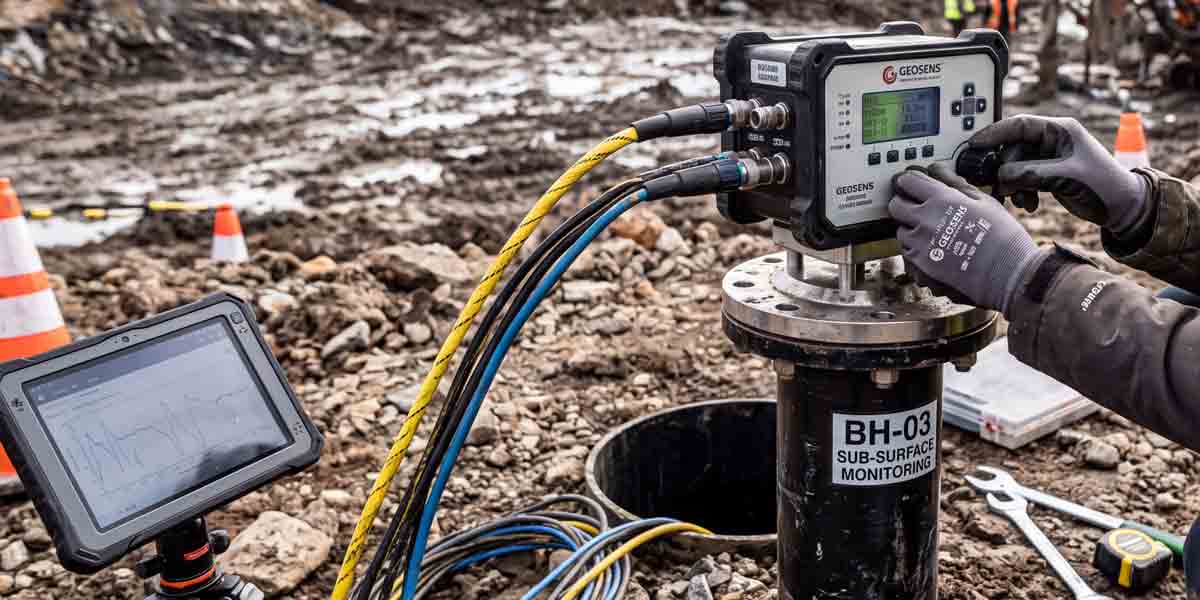
FlowTerra uses passive seismic monitoring to track changes in subsurface seismic properties continuously, without the need for repeated active-source surveys.
Depending on the application, changes in seismic velocity and attenuation can provide sensitivity to subsurface conditions such as fluid saturation, pressure, stress and stiffness. The analysis is calibrated against available site measurements, while AI-powered interpretation converts monitored changes into qualified information rather than standalone geophysical indicators.
|
Integration
|
Built around your site and your existing monitoring ecosystem.
Every site is different. FlowTerra can combine passive seismic data with piezometers, weather stations and other relevant sources, then integrate outputs into client dashboards, reporting systems and operational workflows. This approach is designed to strengthen existing monitoring rather than replace established engineering instruments or professional judgment.
|
FlowTerra Applications
|
One technology. Multiple subsurface applications.
The same core capability — continuous passive seismic monitoring of subsurface change — can be adapted to different industrial contexts where fluid movement, pressure, integrity or evolving geological conditions matter.
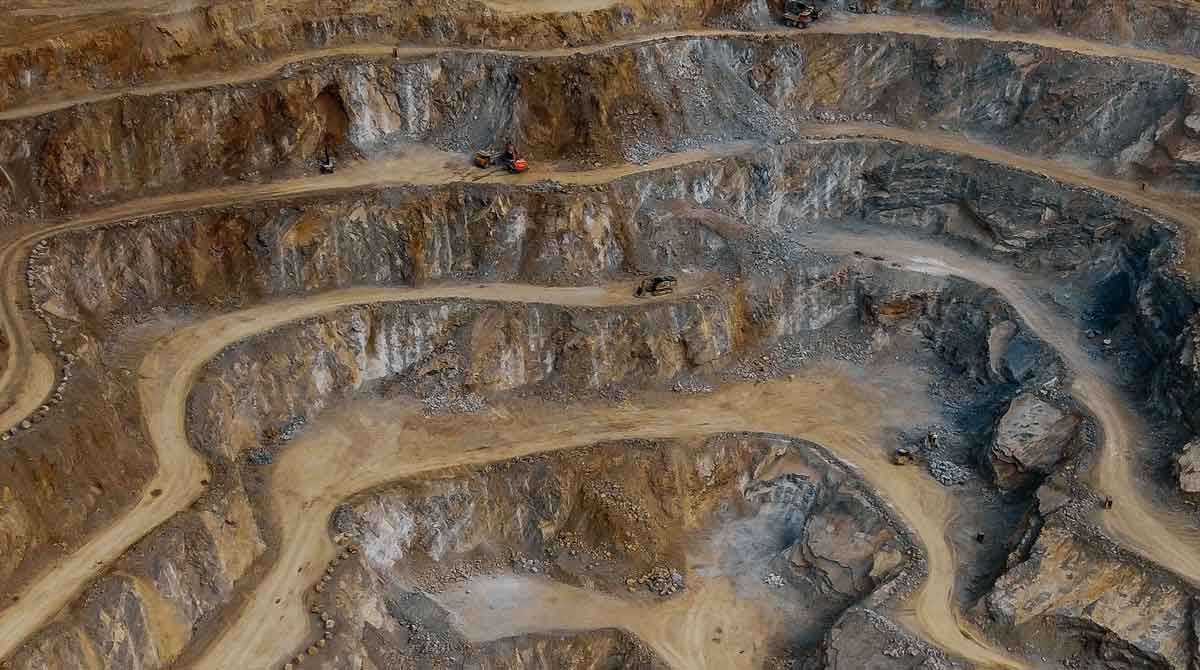
Continuous subsurface monitoring for tailings storage facilities, hydrogeology and groundwater, heap leaching and fluid pathways.
Mining
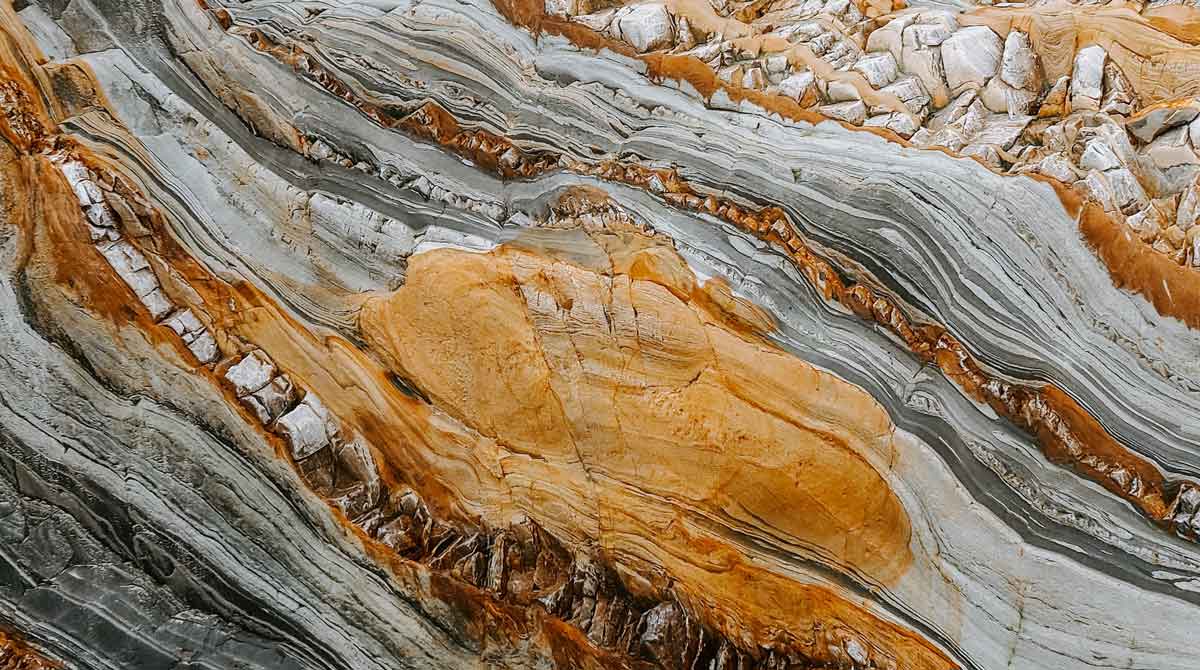
MMV for CO₂ storage: track CO₂ plume evolution and support continuous reservoir integrity and containment monitoring.
CO₂ Storage / CCS
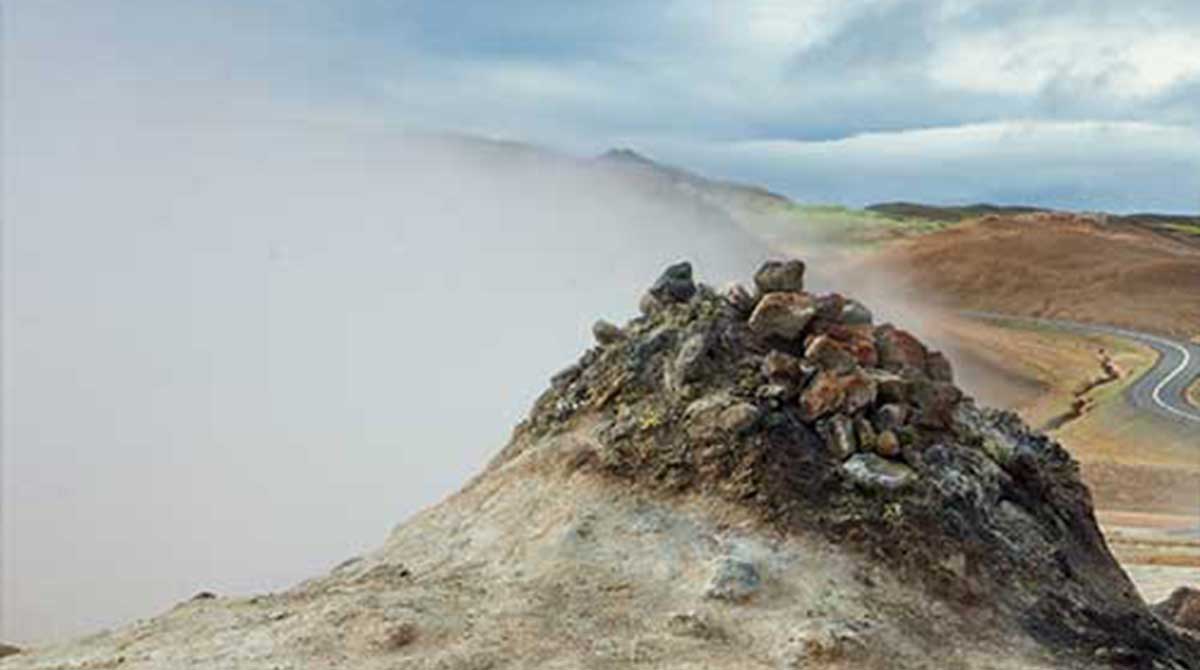
Explore and monitor natural hydrogen and helium migration pathways, and identify changes in subsurface fluid dynamics over time.
Natural hydrogen
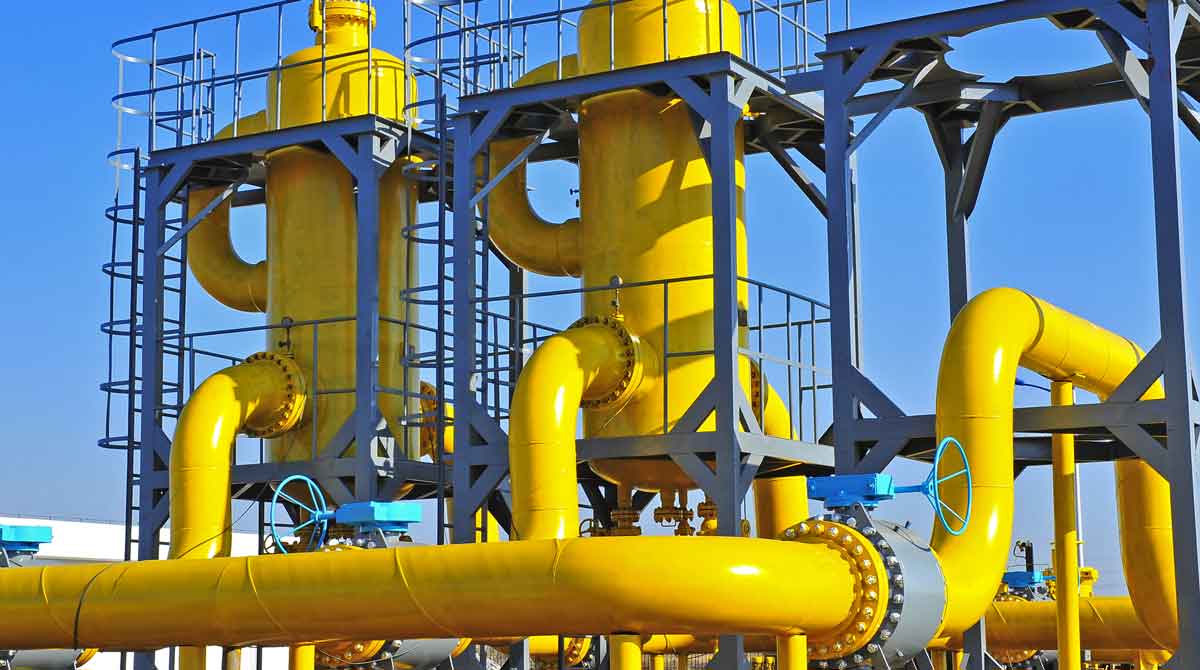
Monitor pressure evolution and unwanted gas migration pathways to support storage integrity, risk prevention and maintenance planning.
Underground gas storage

Monitor groundwater dynamics and changes in aquifer conditions over time.
Groundwater ressources
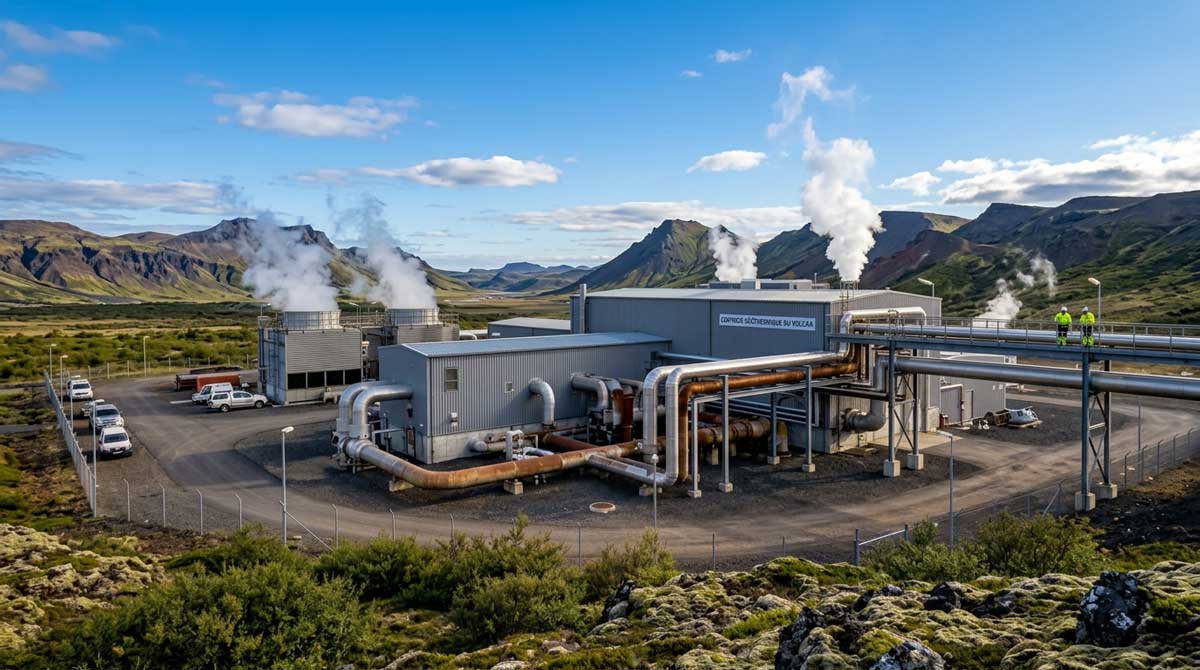
Identify open faults and monitor fluid pathways for geothermal exploration and production.
Geothermal